Understanding Tire Size Basics
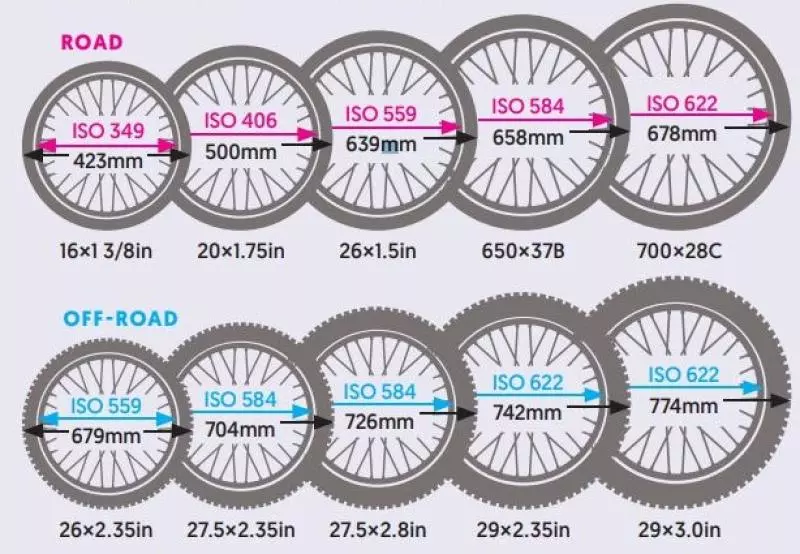
When it comes to bicycle tires, understanding the numbers on the sidewall can be confusing for many riders. The numbers typically indicate the tire’s diameter and width in millimeters, as well as the wheel diameter in inches. For example, a tire labeled 700x25c would have a diameter of 700mm and a width of 25mm.

Different tire sizing systems can further complicate matters. The most common systems include the French sizing system (e.g., 700x25c), the ISO sizing system (e.g., 25-622), and the inch-based sizing system (e.g., 26×1.95).

To measure your current tire size accurately, use a tape measure to determine the diameter and width of the tire. This information will be crucial when selecting new tires for your bicycle.
Choosing the Right Tire Size for Your Bicycle
Several factors should be taken into account when choosing the right tire size for your bicycle. Consider the type of riding you do, the terrain you’ll be riding on, and your personal preferences for ride comfort and performance.
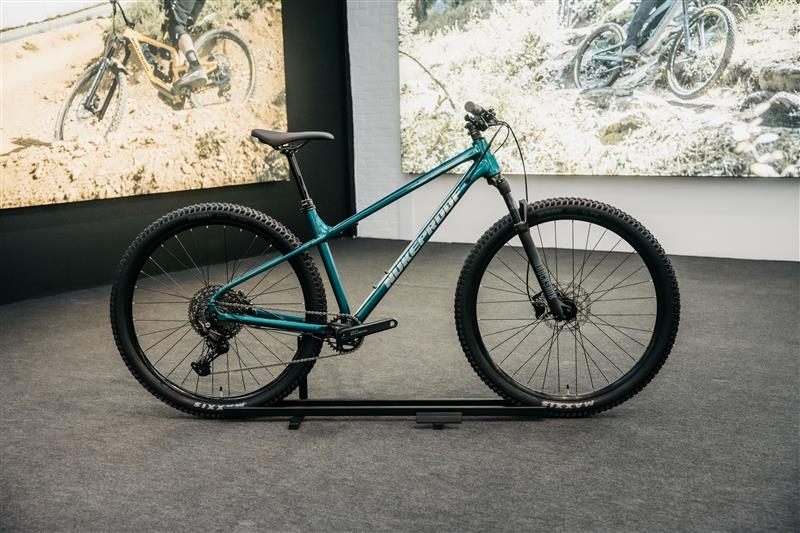
Differences in tire widths can have a significant impact on your riding experience. Wider tires provide more stability and traction, making them ideal for off-road or rough terrain. On the other hand, narrower tires are typically faster and more aerodynamic, suitable for road biking or racing.
The right tire size can also affect your bike’s performance and overall ride comfort. Smaller tires will feel more nimble and responsive, while larger tires can offer a smoother and more comfortable ride, especially on bumpy roads.
Exploring Tube Size Options
When it comes to tubes, understanding the various valve types and their compatibility with different tubes is essential. Common valve types include Presta and Schrader valves, each requiring specific pump heads for inflation.

Matching tube size to tire size is crucial for proper performance and safety. Using a tube that is too large can lead to pinching and increased risk of flats, while a tube that is too small may not provide enough protection against punctures.
Consider the pros and cons of different tube materials as well. While butyl tubes are the most common and affordable option, latex tubes offer lower rolling resistance for improved performance.
Customizing Tire and Tube Sizes for Specific Riding Conditions
For road biking, narrower tires are generally preferred for increased speed and efficiency. Opt for higher tire pressures to reduce rolling resistance and enhance performance on smooth surfaces.
Mountain biking trails require wider and knobbier tires for better traction and control on rough terrain. Lower tire pressures can also improve grip and shock absorption when riding on uneven surfaces.
When commuting or touring, prioritize comfort and durability by choosing wider tires with puncture-resistant features. A balance of performance and reliability is key for long-distance rides.
Maintenance and Troubleshooting Tips
Properly inflating and maintaining your tires is essential for longevity and performance. Use a tire pressure gauge to ensure your tires are inflated to the recommended PSI, preventing flats and premature wear.
Common tire and tube issues like punctures, leaks, and blowouts can be addressed with simple repair kits or replacements. Be prepared to patch up any holes or replace damaged tubes promptly to avoid further damage.
Knowing when it’s time to replace your tires and tubes is crucial for safety. Look out for signs of wear, bulges, cracks, or excessive tread wear, indicating that it’s time for a new set of tires.
Summary
In this comprehensive guide, we have covered everything you need to know about bicycle tire and tube sizes in 2024. From understanding the basics to customizing sizes for specific riding conditions, you now have the knowledge to make informed decisions when it comes to your bicycle’s tires and tubes.
FAQs
- Q: Can I use a different size tire or tube than what is recommended for my bicycle?
A: It is best to stick to the recommended sizes for optimal performance and safety. - Q: How often should I replace my tires and tubes?
A: Tires should typically be replaced every 1000-2000 miles or when there are visible signs of wear. Tubes should be replaced whenever they are punctured or damaged. - Q: Is it okay to mix and match tire and tube sizes?
A: It is best to use matching tire and tube sizes to ensure compatibility and performance.