A Nod to the Past
In an exciting venture that blends nostalgia with modern technology, Manitou has unveiled the FS II Future MTB project. This initiative brings back memories of the original Manitou FS bike, which revolutionized full-suspension mountain biking in the early 90s. The seasoned team at Manitou, part of the Hayes Bicycle Group, collaborated with Swiss gravity bike specialists Gamux to breathe new life into this classic design, infusing it with cutting-edge innovations.
Innovating Suspension Design
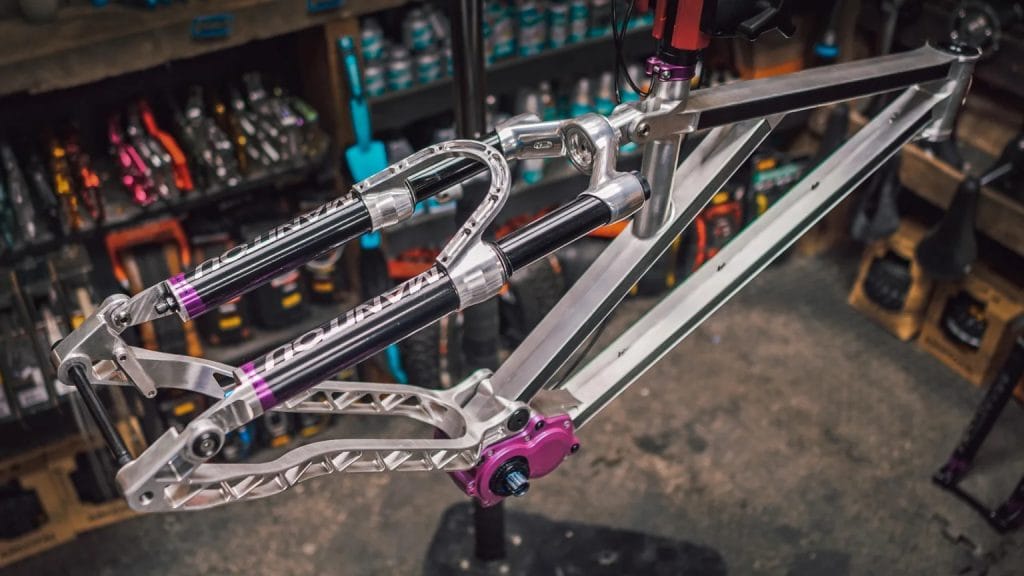
Manitou’s goal was not to simply recreate the past but to innovate upon it. The FS II project features a unique design that utilizes a suspension fork to manage rear wheel travel, harkening back to the strategies employed in the early days of mountain biking. By integrating a short-travel XC kids’ bike fork in the rear and a mid-travel trail bike fork in the front, the FS II stands as a testament to the advancements in suspension technology while celebrating its heritage.
Collaboration with Leading Brands
To enhance the FS II project, Manitou partnered with several prominent brands, including Pinion, Gates, Schwalbe, and ProTaper. This collaborative effort aims to create a forward-thinking mountain bike that not only pays homage to the past but also sets the stage for the future of biking. The prototype boasts a unique combination of a Pinion gearbox transmission and a Gates belt drive, significantly lowering the center of gravity for improved handling and reduced unsprung weight.
State-of-the-Art Construction
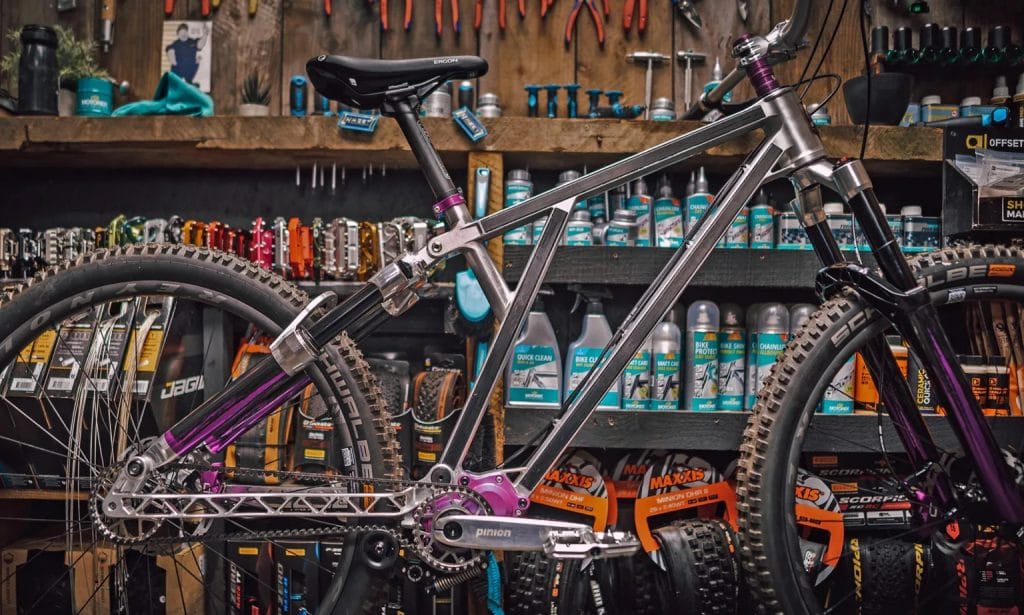
The new FS II project showcases advanced manufacturing techniques, with Gamux employing CNC machining to create its aluminum frame. The design integrates bonded carbon structures, allowing for a tailored tuning of frame stiffness and ride feel. Notably, the FS II features a 66° headtube angle and 460mm frame reach, optimizing performance for a variety of riding styles.
Enthusiastic Reception
The project has received positive feedback from early testers, including members of the Gamux crew who have ridden the prototype. Early indications suggest that the bike rides well, indicating a successful melding of traditional design with modern engineering. Although Manitou clarifies that the FS II project is not intended for mass production, it embodies the spirit of innovation that has defined the mountain biking community for years.
Manitou’s FS II Future MTB project is more than just a retro throwback; it’s a bold exploration of what mountain biking can become, inspired by the lessons of its storied past. As the cycling world watches with anticipation, Manitou continues to pave the way for future innovations, firmly rooting itself as a legend in the mountain biking scene.
The History of Manitou Bikes
Early Beginnings (1990s)
Manitou was founded by Doug Bradbury in the early 1990s, at a time when mountain biking was gaining popularity. The introduction of the first-ever suspension mountain bike fork, the Manitou 1, in 1990 marked a significant milestone in cycling technology. This product showcased innovative design features that advanced the riding experience.
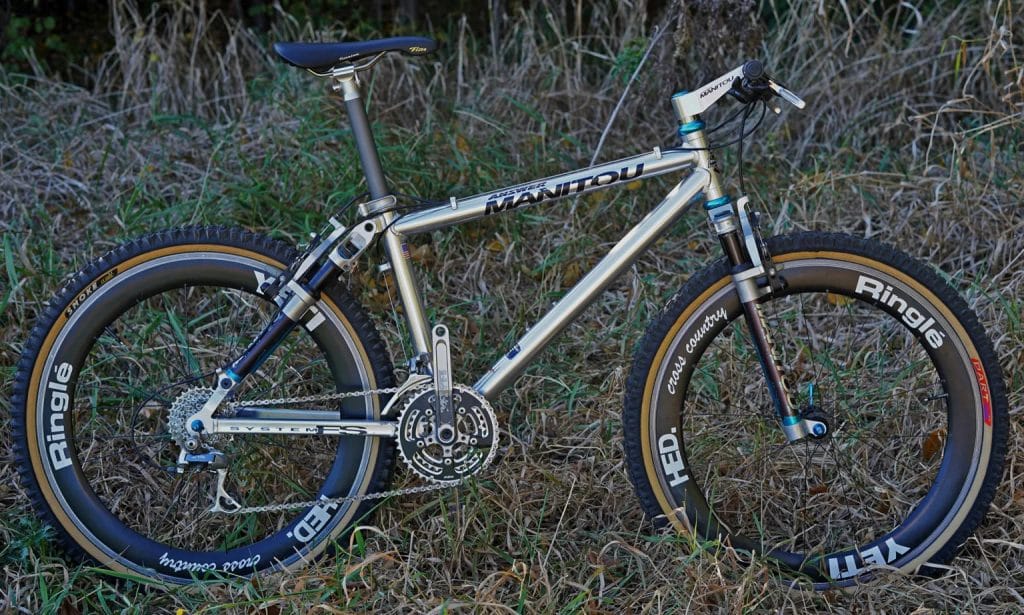
In 1991, Bradbury took a bold step by creating the first full-suspension mountain bike, known as the Manitou FS. This bike utilized a unique softail design by strapping a second fork onto the back, allowing for more effective rear wheel travel. This innovation opened the door for a new era in mountain biking, making rides smoother and more manageable on rough terrain.
Advancements and Success (Mid-1990s)
Throughout the mid to late 1990s, Manitou continued to innovate. The company introduced various models that featured advancements in suspension technology, including the use of elastomers and later, coil and air springs for improved shock absorption. The brand gained a reputation for producing high-quality components, which helped it become a favorite among competitive cyclists and mountain bike enthusiasts.
In 1996, the company was sold to the Hayes Bicycle Group, which further propelled Manitou’s growth. Under this umbrella, Manitou expanded its product line to include a range of suspension forks and rear shocks that catered to various biking disciplines, from cross-country to downhill racing.
A Shift in Focus (2000s)
As mountain biking technology continued to evolve, so did Manitou. In the early 2000s, the company began to focus on producing a fuller range of suspension products tailored to different genres of cycling, such as freeride and all-mountain biking. The introduction of lighter, stiffer materials and more adjustable suspension systems became a central part of their offerings.
However, as competition in the mountain biking market intensified, Manitou faced challenges in keeping pace with newer brands and technologies. The company saw fluctuations in its market presence, prompting it to reassess its brand strategy.
Recent Innovations (2010s-Present)
In response to shifts in the cycling landscape and consumer preferences, Manitou ramped up its innovation efforts again in the 2010s. The brand reintroduced some of its classic technologies while integrating modern advancements. They launched the Mattoc and Machete forks, which received positive reviews for their performance and features.
In 2021, Manitou showcased the FS II Future MTB project, which combined nostalgia for the original FS bike with modern design ideas. Collaborating with Swiss gravity bike specialists Gamux, this project emphasized a blend of classic aesthetics and cutting-edge technology, aimed at celebrating the brand’s legacy while looking toward the future.
Legacy and Influence
Today, Manitou is recognized as a pioneer in mountain biking technology. Its history reflects a commitment to innovation, quality, and a deep understanding of the sport’s evolving nature. Manitou’s products continue to be embraced by riders around the world, contributing to the legacy of performance and reliability that originated over three decades ago. The brand remains a significant player in the mountain biking community, with a focus on enhancing the riding experience through advanced engineering and design.